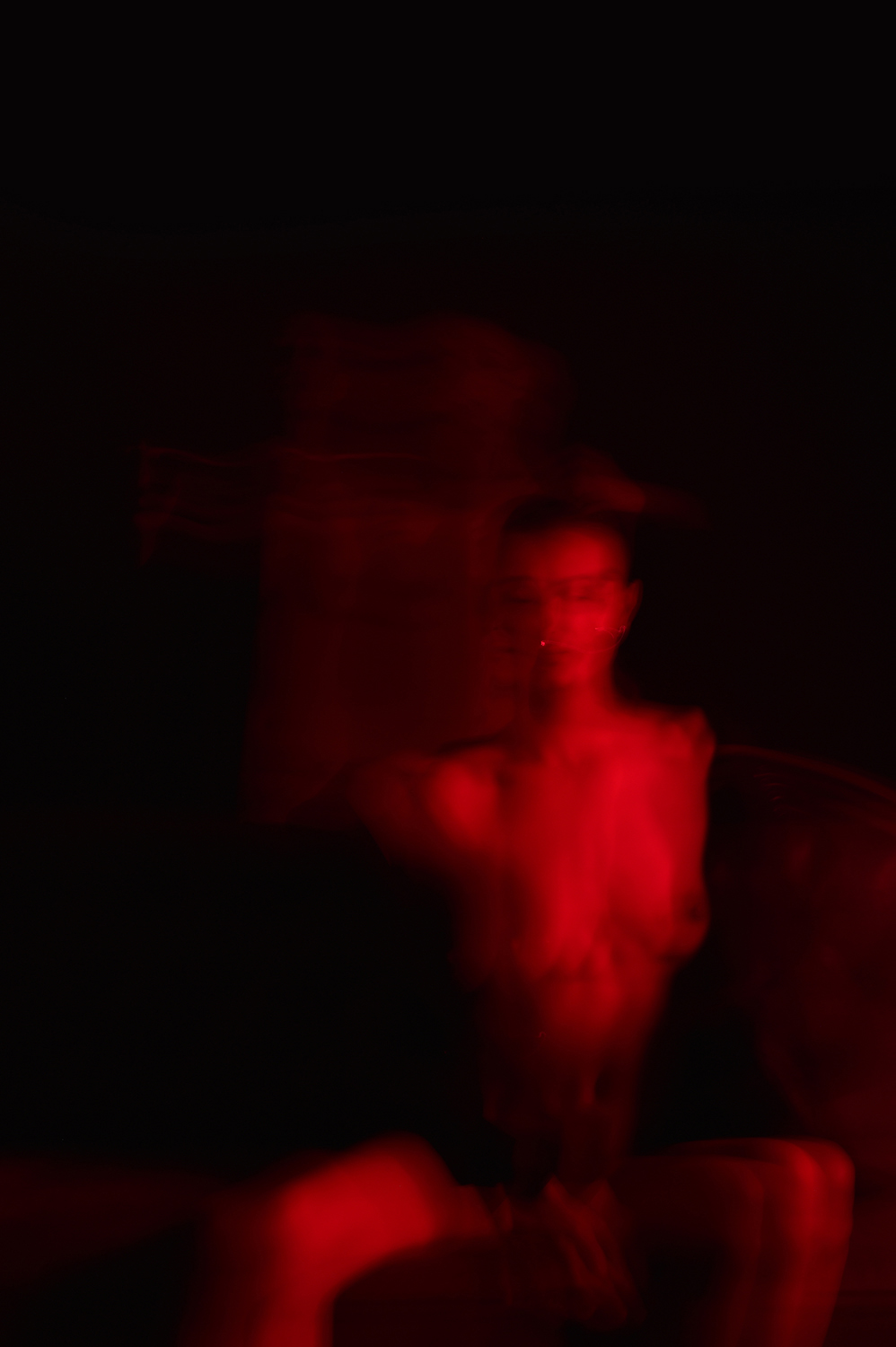
“Little Red Door” (2024)
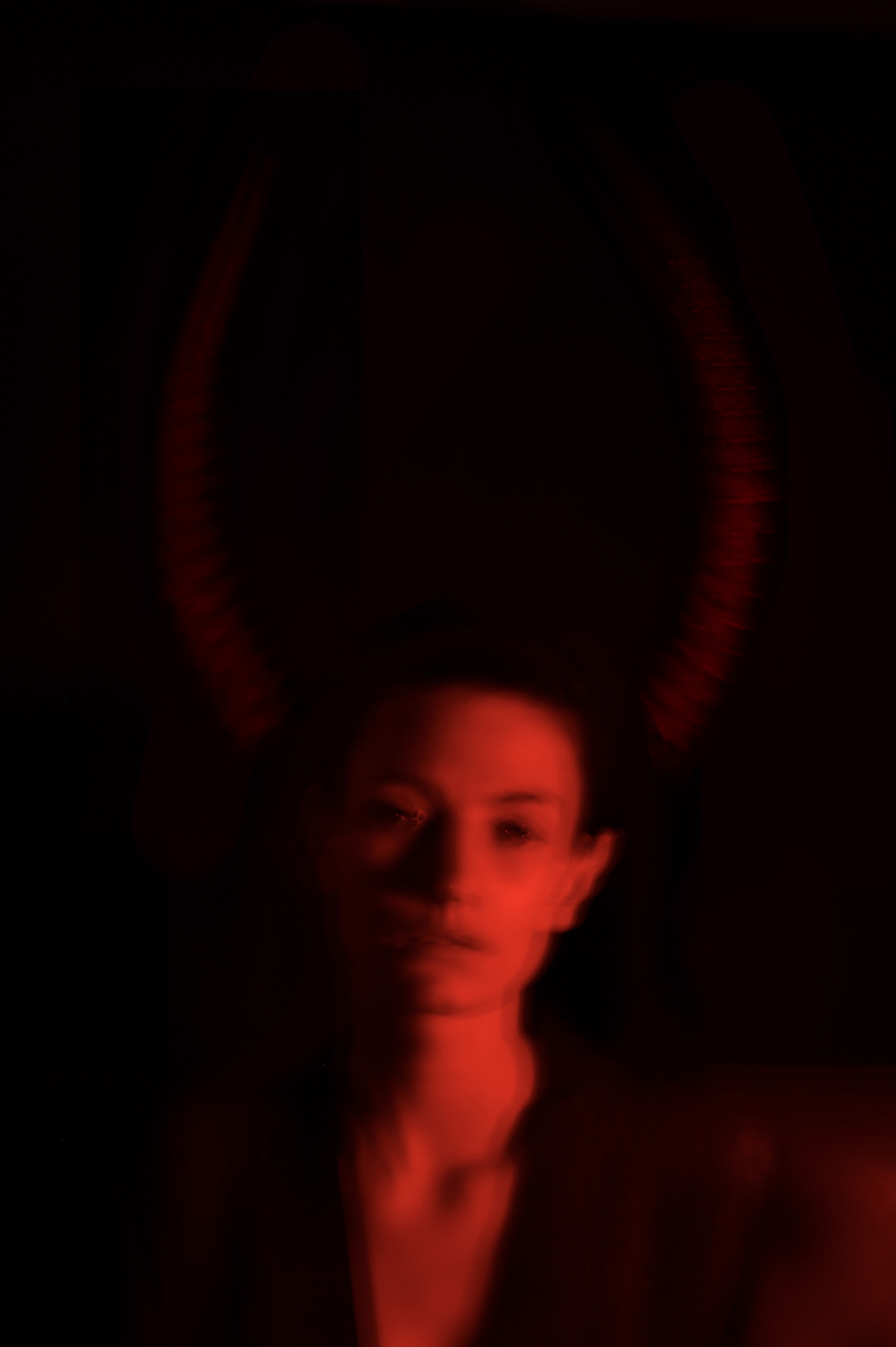
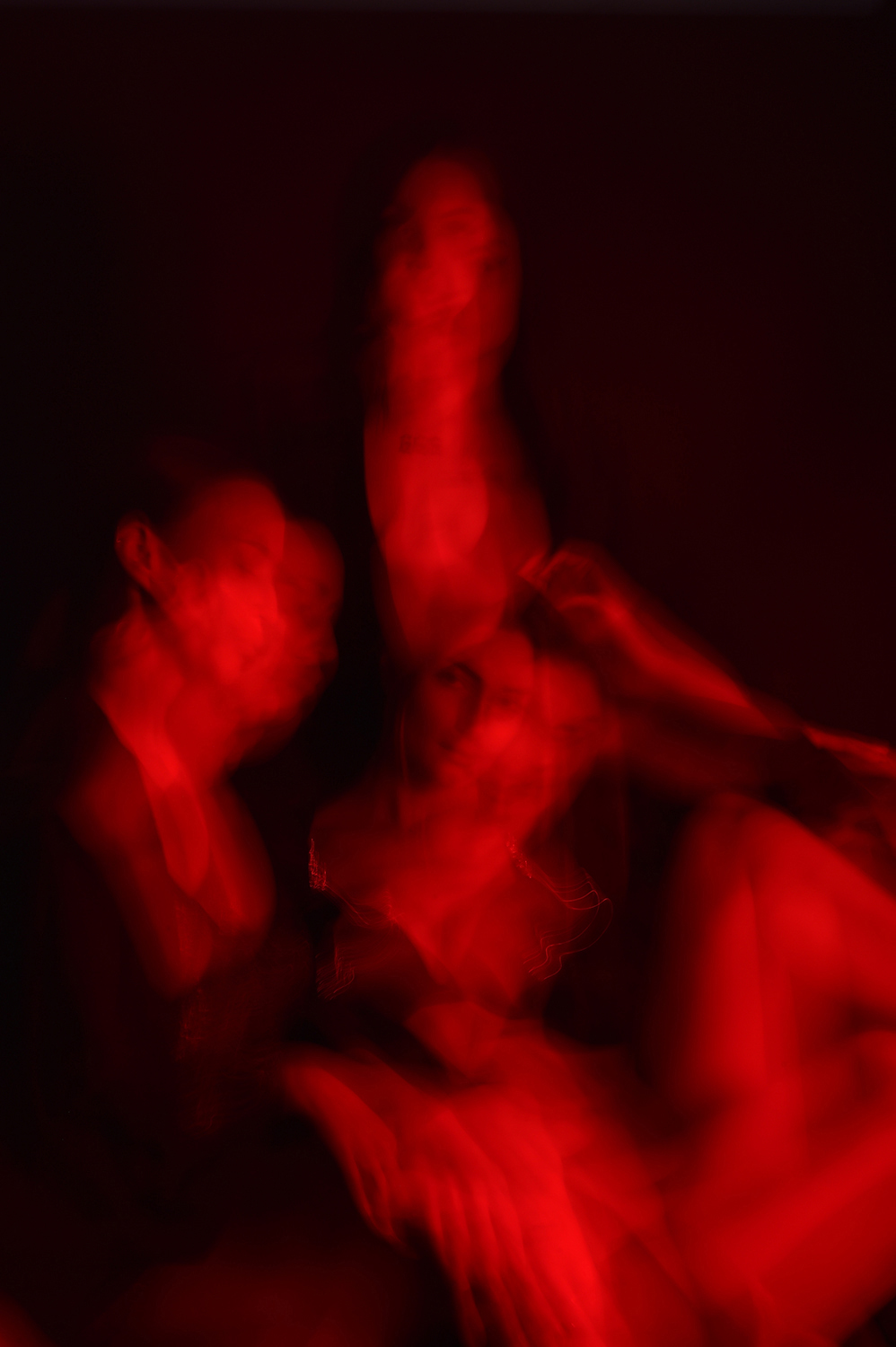
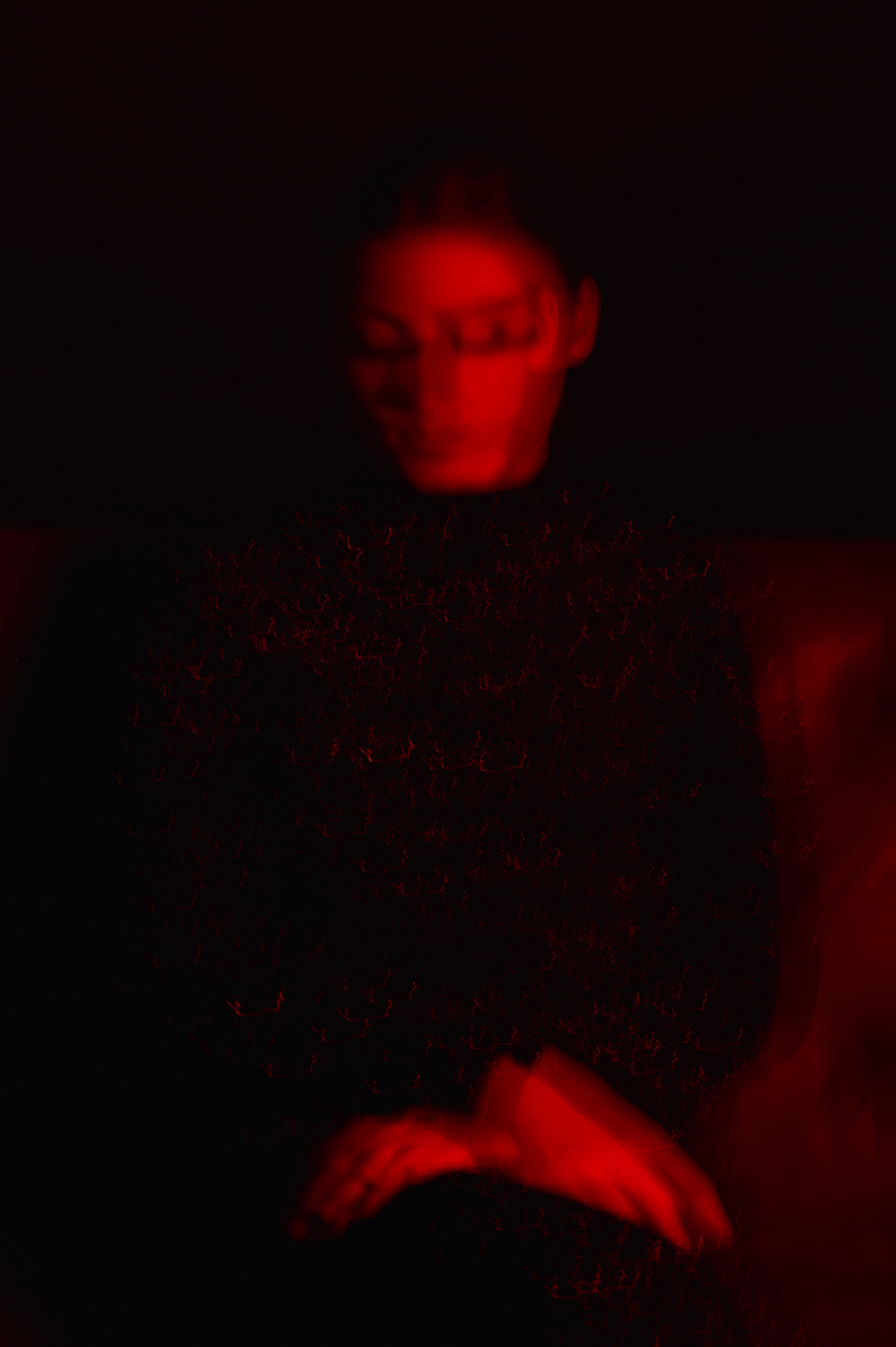
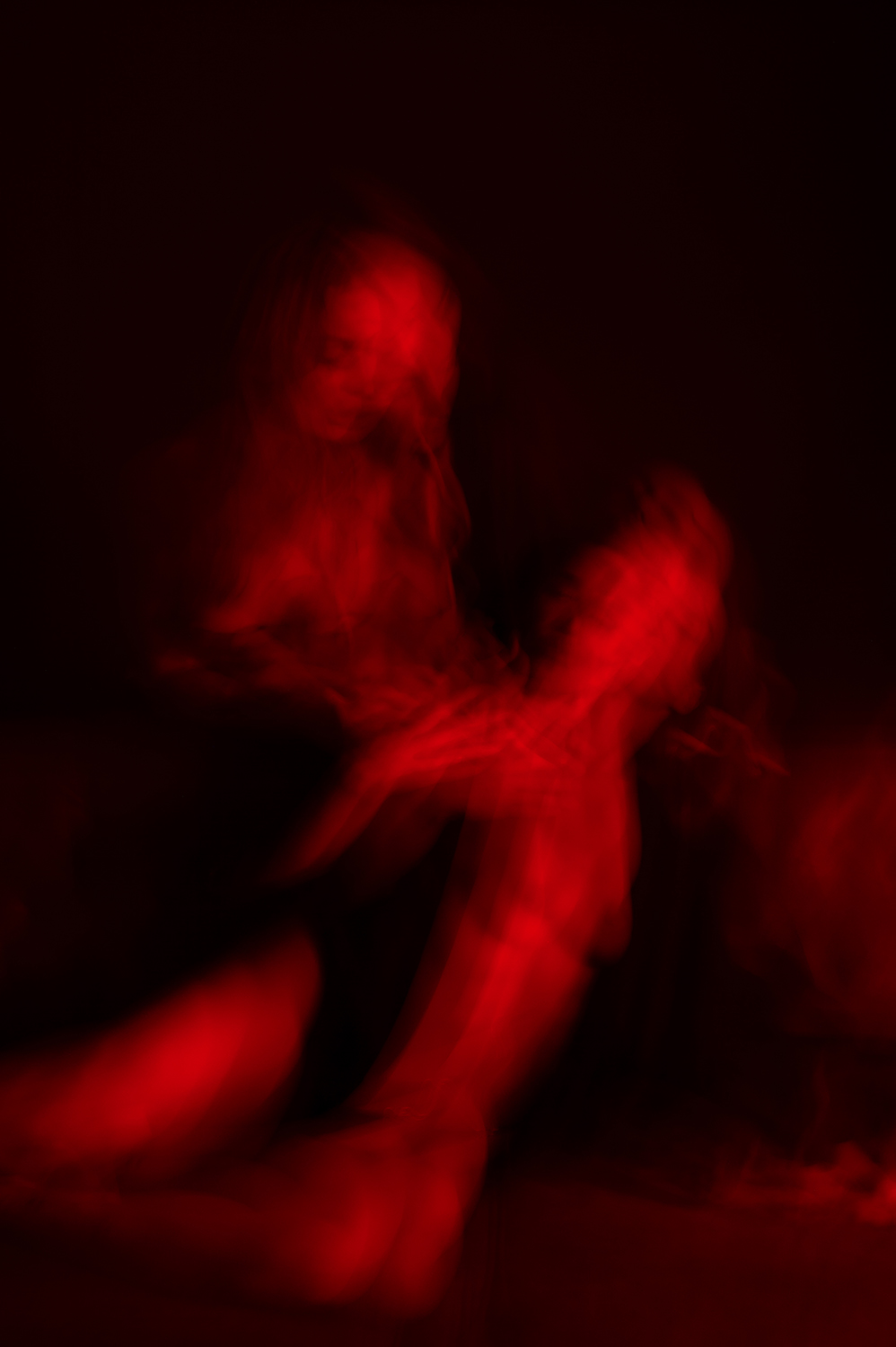
With Little Red Door, Mirial gently pries open the gates of the Underworld, revealing the shifting silhouettes of goddesses in a powerful, almost burning red.
Flames lick the skin, consume the bodies, and brush against the souls — psukhê, the Greek word for “soul.”
The Underworld, present across many mythologies, merges here into a red monochrome — universal and timeless. Aphrodite, with her missing arm, evokes the Venus de Milo. Hecate, the three-faced deity, appears paradoxically frozen within her own movement, like an ancient statue. Izanami, goddess of creation and death, seems torn between these two poles. Hel, ruler of the dead, wanders as if lost.
At the center of this incandescent theatre, Persephone stands watch — a silent sovereign — guardian of the Underworld alongside Hades, here deliberately erased to let the women reign.
Red becomes a boundary, a passage, an initiation. A small door left ajar onto the invisible, where beauty flirts with damnation.